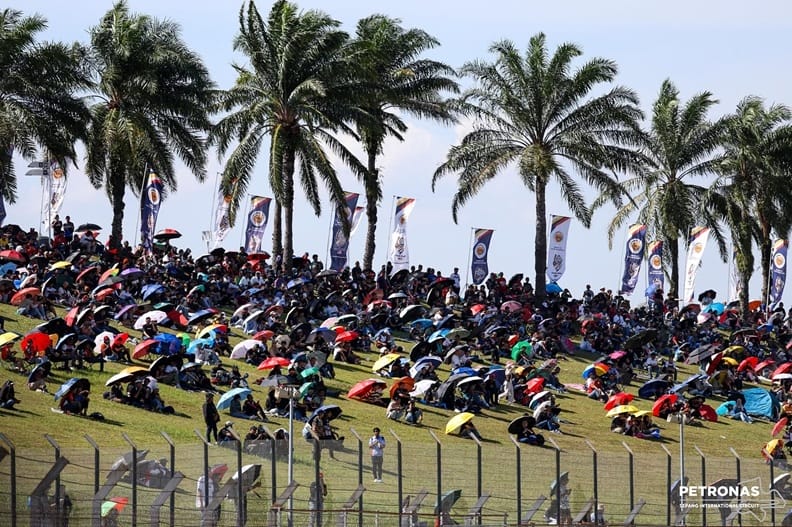
Image Credit: Sepang F1 Circuit FB
By Yong Soo Heong
The announcement that Formula One will return to Sepang International Circuit from October 2 to 4 fills me with immense pride — both as a Malaysian and as a lifelong motor racing fan. Why? Because we possess a purpose‑built circuit that ranks among the finest in the world, yet it has not been fully utilised as part of the increasingly popular F1 calendar. Its return is not just a sporting milestone; it is a statement of Malaysia’s capability.
We also have Petronas, our national oil company, standing tall as the major sponsor of the Mercedes‑AMG team, led by Kimi Antonelli and George Russell. With the team leading both the constructors’ championship and individual rankings, Petronas enjoys tremendous visibility, goodwill, and brand reputation on the global stage. This is a rare alignment of national pride and corporate prestige.
Yet, less than 48 hours after the announcement, detractors emerged — “wet blankets” questioning costs, branding, and other perceived shortcomings. Where are our pride and patriotism? Hosting F1 is not a burden; it is an opportunity. It is a chance to showcase Malaysia’s infrastructure, hospitality, and organisational excellence to the world.
From this point forward, execution at every level must be flawless. Every public and private sector agency involved must work in unison to meet the global standards expected of such a prestigious event. Safety, immigration, customs clearances, and aviation coordination — all must be seamless.
Our hospitality, F&B, and entertainment sectors must also rise to the occasion, ensuring that the week leading up to October 4 becomes a grand extravaganza across Greater Kuala Lumpur. After all, this coincides with Visit Malaysia Year 2026, and the potential for visitor arrivals and revenue generation is immense.
I recall attending the French Grand Prix at Magny‑Cours in 1997. What astounded me was how the French police handled traffic with flawless precision. Despite narrow, winding provincial roads, they cleared thousands of cars within an hour. This is a lesson for our Royal Malaysian Police: traffic management must be smooth, efficient, and world‑class.
While F1 prides itself on ultra‑luxury hospitality suites, Sepang must also ensure inclusivity. There should be no monopolistic regulations barring small and medium F&B entrepreneurs from participating. Let the vibrancy of Malaysian food culture shine alongside international offerings. And let us not overlook the basics — toilets must be in tip‑top condition by Malaysia Day, not on Oct 1. These details matter; they shape the visitor experience as much as the race itself.
The return of F1 to Sepang is more than a sporting event. It is a test of Malaysia’s pride, preparedness, and professionalism. It is a chance to prove that we can host world‑class events with efficiency, flair, and inclusivity. The critics will always be there, but the greater responsibility lies with us — to rise above the noise and deliver an event that reflects Malaysia’s stature.
If we succeed, the benefits will ripple far beyond the chequered flag. Tourism will flourish, Petronas will shine brighter, and Malaysia will reaffirm its place on the global sporting map. The roar of engines at Sepang this October must be matched by the roar of national pride.
WE