By Leslie Lim
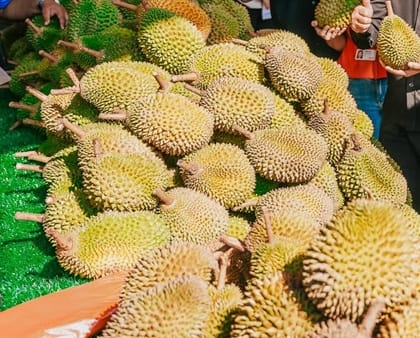
It’s a small wonder why the rakyat are celebrating in unison for cheap durians.
Yet many durian kakis will attest that the current crop of bargain-priced Musang King bears little resemblance to the taste and characteristics of our prized durians.
That rich aroma, thick, creamy flesh, balanced sweet-and-bitter profile, and the dry, kedut-kedut (wrinkly), dense texture we look for are noticeably missing from these bargain-bin piles of durians.
The reality is simple: you get what you pay for.
Most of the sub-RM10 Musang King flooding our roadside stalls right now is ungraded fruit. It is essentially just durian longgok, the early harvests of young trees that are barely eight years old.
They are the byproduct of a massive wave of investors who rushed into durian farming back in the late 2010s, completely blinded by the belief that China’s booming market made it a guaranteed, permanent gold mine.
But we saw the writing on the wall early. This massive glut was already staring us in the face during the last December/January secondary season, when cheap Musang King was being offloaded for just RM10 a kilo.
If a minor peak season could trigger that kind of price collapse, just imagine the sheer scale of this current primary season.
We are only just heading into the absolute peak harvest months of July and August for Raub durians, and the local market is already completely drowning in supply.
Of course, the real deal, the premium, top-tier graded Musang King, are still out there. Even so, they are nowhere near fetching the RM50 to RM80 per kg price tags they once easily commanded.
In a nutshell, the way this durian tsunami is being celebrated across mainstream media and TikTok can be highly misleading. Those viral photos and videos of RM10 piles send a deeply flawed message about what a genuine Musang King, the undisputed king of premium durians, is actually worth.
We need to safeguard the reputation of Malaysia’s premium durian varieties. When a market is flooded with massive, chaotic price drops, it warps how consumers view the fruit.
It conditions people to expect dirt-cheap prices while completely overlooking the difference in quality between watery, ungraded fruit and true, export-grade produce. Ultimately, it just cheapens the entire reputation of Musang King.
To be fair, the solution isn’t for the government to step in, artificially jack up prices, or bail out short-sighted corporate investment schemes. It is a free market, and Malaysian consumers absolutely deserve access to affordable fruit. However, we need a systemic shift to protect the integrity of the industry.
FAMA needs to move past the old, reactive strategy of simply buying up cheap durians from farmers to temporarily prop up floor prices.
Instead, the agency should focus on building a solid, long-term market structure. We urgently need a better, far more transparent national grading standard for durians that goes way beyond basic physical factors like weight, shape, and yield.
A modern grading system should factor in tree maturity, plantation altitude, flesh texture, flavour profile, and even chemical screening.
This level of transparency would instantly separate cheap, watery durian longgok from pristine, export-grade produce. It would give everyday consumers the power to make informed choices while successfully preserving premium brand value.
Furthermore, to help absorb this unprecedented supply without destroying the product’s image, FAMA should seriously step up its domestic marketing game. By working closely with local councils and major supermarket chains in key cities, they can organise and promote proper, nationwide durian mega sales – fresh durians and processed products like ice cream, cake and dodol, and snacks.
Moving excess stock through structured, heavily promoted urban channels – rather than leaving it all to chaotic roadside fire sales – would help absorb the surplus while maintaining a much more organised, respectable image for our durians.
Ultimately, the goal here is market sustainability. If the industry fails to establish clear, trusted standards, this structural oversupply will just keep compounding year after year, steadily dragging the market value down into the dirt.
While cheap durians are a short-term win for the rakyat, an unmanaged market could eventually leave many local growers with zero incentive to maintain or expand their orchards.
In the long run, that would undermine the very premium durian industry that Malaysia has spent decades proudly building.
Leslie Lim is the Weekly Echo’s Contributing Opinion Writer