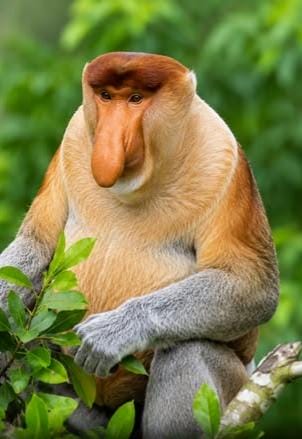
MELAKA, 31 Julai (Bernama) — The Sabah state government is ready to work with Melaka in strengthening biodiversity conservation efforts through education, research and public awareness initiatives, centred on the Proboscis Monkey.
Sabah Tourism, Culture and Environment Minister Datuk Jafry Ariffin said the interest expressed by Melaka Tourism, Heritage, Arts and Culture Committee chairman Datuk Abdul Razak Abdul Rahman reflected recognition of Sabah’s biodiversity as one of Malaysia’s most valuable natural assets.
He said the Proboscis Monkey is not only a Sabah tourism icon but also an endemic species of Borneo Island with high conservation value, closely associated with the state’s distinctive mangrove and riparian forest ecosystems.
“Any proposal involving the relocation of wildlife outside its native habitat must undergo thorough research and cannot be considered solely from a tourism perspective.
“It must be assessed comprehensively based on scientific evidence, animal welfare considerations, habitat suitability, veterinary health, genetic diversity, population management, and compliance with all legal provisions and conservation standards at both national and international levels,” he said in a statement here today.
Jafry said should all technical, scientific and legal requirements be fulfilled, the collaboration could become a platform to strengthen conservation education, advance scientific research and raise public awareness on the importance of conserving Borneo’s endemic species.
He said the Sabah Wildlife Department, together with conservation experts, research institutions and relevant agencies, would need to play a leading role in assessing the proposal should it be considered in the future.
Jafry added that Sabah’s stance was clear, with the state government prioritising efforts to ensure the species continues to thrive and remains protected in its natural habitat.
He said any form of collaboration must contribute to the long-term conservation agenda while ensuring that the survival of wildlife populations in Sabah is not compromised.
“The Sabah state government always welcomes strategic collaborations with other states in conservation, biodiversity research and ecotourism development based on sustainable practices, in line with its commitment to remain a leader in nature conservation in Malaysia,” he said.
According to him, the animal is found not only along Sungai Kinabatangan but also in several other natural habitats in Sabah, including Sungai Klias, Weston, Teluk Labuk, Segama and Trusan Sugut, as well as other mangrove and riparian forest areas.
Sungai Kinabatangan remains one of the most important natural habitats for the species, while also serving as a key site for scientific research and a renowned ecotourism destination.
–BERNAMA