By Leslie Lim
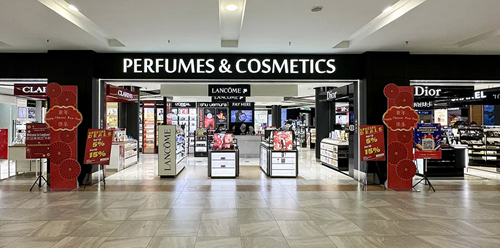
Restoring Langkawi’s original duty-free status looks promising on paper, but it is at best a partial solution to attract foreign and local tourists.
In the 1990s, cheaper shopping was a clear, unique selling proposition. Today, however, the landscape has shifted. Imported chocolates can sometimes be found at lower prices in Kuala Lumpur than at KLIA’s duty-free outlets, and electronics are almost always more affordable online than in physical stores.
SST-free bills, cheaper cigarettes, and CorningWare are no longer the magnets they once were. Lifestyle shifts and experiential “vibes” now move the needle — and this is where Langkawi has room to grow.
Competition across the region is intense. Even established giants like Phuket, Koh Samui, and Bali are contending with rising destinations such as Vietnam’s Phu Quoc and Da Nang, Indonesia’s Lombok and Gili Islands, and Palawan in the Philippines.
Langkawi, meanwhile, is still anchored by properties largely built in the 1990s and 2000s. Rivals have expanded aggressively, offering fresh, “Instagrammable” innovations. The island, by contrast, is often seen as needing renewal. Attractions such as the cable car and aquarium, while beloved, could benefit from reinvestment to meet modern expectations.
Across all budgets — low, mid, or high — Langkawi is sometimes perceived as offering less value compared to neighbouring countries. The challenge lies in the value-to-experience ratio. Premium hotels in Phuket, Koh Samui, or Bali can command rates above RM5,000 per night because they offer a holistic lifestyle experience. In Langkawi, high prices too often translate into isolation, with a noticeable drop-off in infrastructure and atmosphere once outside resort grounds.
To remain relevant, Langkawi need not mimic the neon and noise of its neighbours. Its true strength lies in living up to the “Naturally Langkawi” tagline — positioning itself as the “un-Phuket.”
By leveraging its UNESCO Global Geopark status and 550-million-year-old geological heritage, Langkawi can offer serene, high-quality nature experiences that crowded hubs cannot replicate.
Yet this pivot requires a stronger backbone. Passenger movements at Langkawi airport have plateaued. Malaysia Airports reports show 2.9 million passengers last year, up from 2.5 million in 2024. By comparison, Phu Quoc airport handled 5.9 million passengers in 2025, up from 4.1 million the year before, and served 2.27 million passengers in Q1 2026 alone — a 147% year-on-year increase.
Langkawi also faces challenges with its ferry service, which remains inconsistent due to tides and higher food costs linked to mainland dependency. Sparks of renewal exist — such as the Parkroyal Langkawi opening in 2023 and Hilton Burau Bay Resort later this year — but these remain isolated successes in a landscape that needs broader revitalisation.
Beach stretches and duty-free shopping were once enough. Today’s travellers expect more. The old playbook needs refreshing. Langkawi must move beyond chasing arrival numbers and instead build a destination that commands respect.
The island cannot remain a relic of the 1990s. It is time to re-examine the market and reinforce the “Naturally Langkawi” promise — focusing on quality over quantity, substance over spectacle, and sustainability over short-term gains.
Langkawi needs to give people a reason not just to visit, but to truly want to be here.
WE