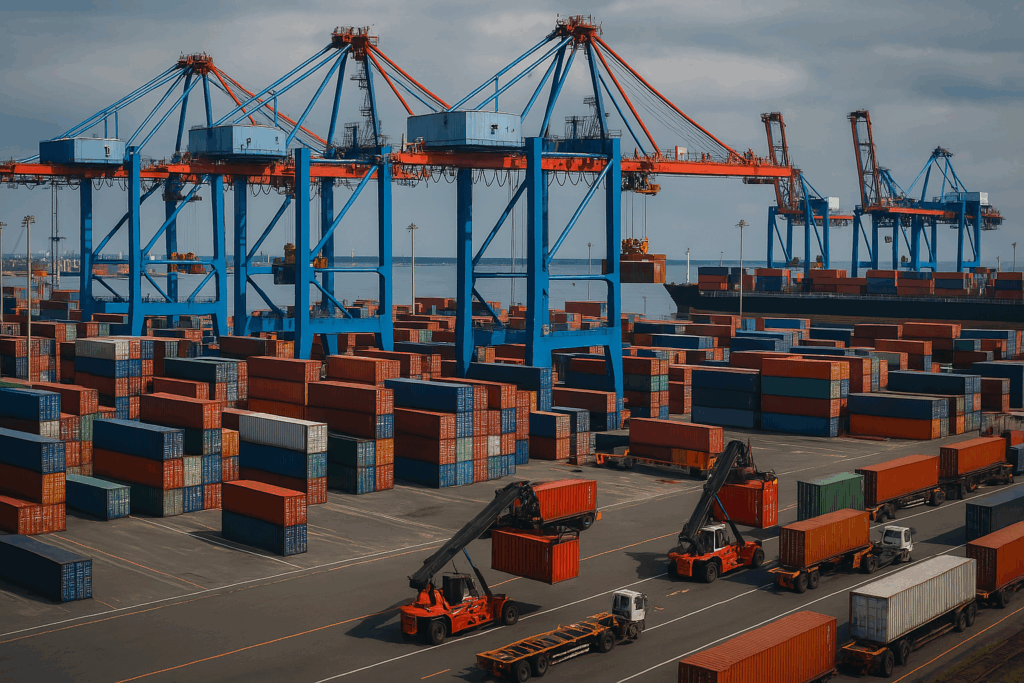
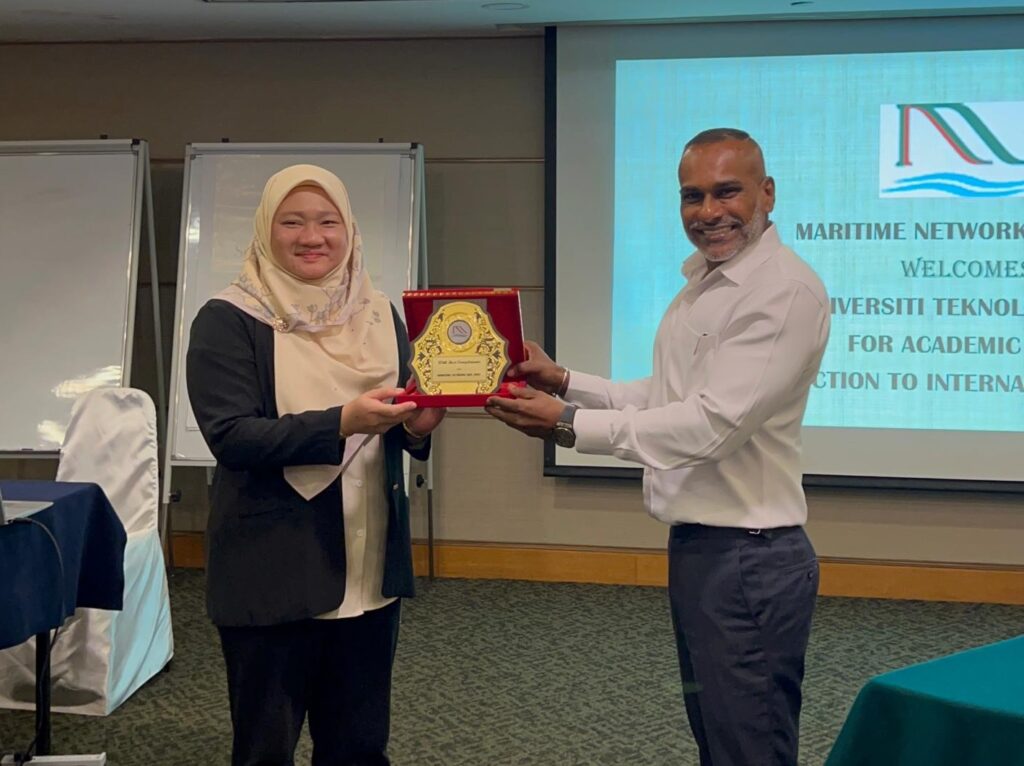
The recent appointment of an Emirati businessman as head of a Malaysian port has not gone down too well with some players in the maritime industry. For CEO of Maritime Network Sdn Bhd, Datuk R.Jeyenderan, a question that begs to be answered is if there is a shortage of Malaysians to fill the role, and what has happened over the years of development and grooming of locals in the industry. The following is a Q and A session with Jeyenderan on the issue.
- Is appointing a foreign national to lead a major Malaysian port a common practice globally?
Yes, it is not unusual globally for major ports, terminal operators and logistics companies to appoint foreign professionals to senior leadership positions. The maritime industry is international by nature, and experienced port executives often move between countries, particularly when they possess specialised knowledge in terminal operations, automation, international shipping lines, port development or global logistics.
However, what may be common internationally should not automatically be accepted without examining the local context. A Malaysian port is not merely another commercial company. It is part of the country’s strategic infrastructure and directly supports our trade, supply chains, economic security and national development.
My position is that foreign expertise may be considered, but Malaysian leadership should remain the priority. Before looking outside the country, we must first establish whether there are qualified and experienced Malaysian professionals capable of performing the role.
- What are the advantages of having foreign leaders with international port experience managing Malaysian ports?
A foreign leader with genuine international port experience may bring several advantages. This can include exposure to high-volume ports, advanced terminal systems, port automation, stronger relationships with global shipping lines and experience in expanding port capacity and improving operational efficiency.
Such an appointment can be beneficial when the person is brought in with a clear mandate to scale the port, introduce technology, improve international connectivity or transfer knowledge that is not currently available locally.
However, the appointment must produce measurable benefits for Malaysia. We should not appoint a foreign executive simply because an international name appears more impressive. The person must demonstrate what additional capability, investment, technology, cargo volume or strategic relationship he or she will bring into the Malaysian port system.
Foreign expertise should complement Malaysian capability, not replace it.
- What are the concerns or risks when strategic maritime assets are led by foreigners?
The concern is not simply that the individual is foreign. The concern is the level of authority placed in the hands of someone who may not have the same long-term connection, responsibility or understanding of Malaysia’s national interests.
Ports influence the movement of cargo, shipping lines, trade documentation, terminal access, operational priorities and commercial decisions affecting thousands of Malaysian businesses. Decisions made at the top can determine which companies receive opportunities, how operational policies are implemented and how disputes involving local agents and port users are addressed.
We have already seen how local shipping agents can face uncertainty when there is a lack of clarity surrounding documentation, procedures, K8 declarations, commingling practices and the interpretation of operational requirements. When local agents ask for clear written regulations or standard operating procedures, they should not be left moving between agencies without a definite answer.
If the person leading the port does not fully understand the realities faced by Malaysian agents, importers, exporters and service providers, decisions may be made from a purely corporate or international perspective without appreciating their impact on the local maritime community.
There may also be concerns involving commercial confidentiality, national trade information, the awarding of contracts and whether strategic decisions are being made primarily for Malaysia or for wider corporate interests.
- How can Malaysia balance the need for global expertise while ensuring local interests are protected?
Malaysia can bring in global expertise without surrendering local control.
A foreign professional can be appointed as an adviser, technical specialist, transformation executive or even senior manager where the expertise is genuinely required. However, there must be strong Malaysian representation on the board and within senior operational management.
There should also be clear limits of authority for decisions involving national security, major concessions, port tariffs, strategic data, land, procurement and policies affecting Malaysian port users.
Most importantly, any foreign appointment should include a knowledge-transfer and succession programme. The objective cannot be for Malaysia to remain dependent indefinitely on outside leadership. The foreign executive should be required to develop Malaysian deputies and prepare qualified locals to assume the role in the future.
That is how international expertise becomes an investment in Malaysia rather than a permanent replacement for Malaysian leadership.
- Should senior leadership positions in strategic ports be reserved for Malaysians, or should companies have the freedom to choose the best candidate?
Companies should have commercial freedom, but that freedom cannot be absolute when they are managing strategic national infrastructure.
In my view, Malaysians should be given priority for senior leadership positions in Malaysian ports. We have port professionals, shipping agents, terminal operators, maritime lawyers, former regulators and logistics specialists who have spent decades building and serving this industry.
Many senior Malaysian shipping agents understand port operations from the ground up. They deal directly with vessels, owners, charterers, Customs, terminals and government agencies. They understand not only corporate management but also what happens when a vessel arrives, when documents are questioned, when cargo is delayed and when an unclear instruction disrupts the entire movement of trade.
These professionals should be identified, recognised and given opportunities to participate in senior port leadership.
Where there is no Malaysian candidate with the required specialist experience, a foreign appointment may be justified. But it should be treated as an exception based on capability and necessity, not as an automatic preference for foreign leadership.
- Does a foreign CEO or chairman have the ability to influence important decisions affecting Malaysia’s trade and economy?
Yes. Any CEO or executive chairman of a major port operator can influence decisions that affect trade, logistics and the wider economy, regardless of nationality.
The leadership can influence investment priorities, operational policies, technology systems, management appointments, procurement, relationships with shipping lines and the handling of local port stakeholders.
This is why focusing only on Malaysian shareholding is not sufficient. A company may remain majority Malaysian-owned on paper, while substantial operational and strategic authority is exercised by one executive.
Ownership and management control are not always the same thing. Regulators must examine not only who owns the shares but also who is making the decisions, what powers that person has and what safeguards exist over those powers.
- How can the government and regulators ensure foreign-led port management remains aligned with Malaysia’s national interests?
The government must maintain active regulatory oversight without interfering unnecessarily in daily commercial operations.
There should be clear reporting requirements for major strategic decisions, changes in effective management control, appointments involving broad executive authority and decisions affecting port concessions or national infrastructure.
The government should also ensure that operational policies affecting the maritime community are properly documented, transparent and consistently applied. Shipping agents should not be placed in a position where they are instructed to comply with a procedure but cannot obtain the written SOP, legal basis or responsible authority behind that instruction.
Our current concerns involving documentation, K8 procedures and commingling demonstrate why accountability is important. When rules are unclear, the consequences fall on local agents, vessel operators and businesses. A foreign-led management team must therefore remain answerable to Malaysian law, Malaysian regulators and the operational realities of the local industry.
Regular regulatory audits, Malaysian board representation, protection of strategic data and formal consultation with local maritime stakeholders should be compulsory.
- Will foreign leadership help Malaysian ports become more competitive internationally, or could it affect the development of local maritime talent?
It can do either, depending on how the appointment is structured.
A highly experienced international executive can help Malaysian ports become more competitive by introducing new systems, attracting major shipping lines, improving turnaround times and opening access to global networks.
But if foreign executives continue to occupy the highest positions without training Malaysian successors, the appointment may weaken local talent development. Malaysians will perform the operational work while the authority, recognition and highest-level opportunities remain outside their reach.
That would create long-term dependency rather than development.
The success of a foreign appointment should therefore not only be judged by financial performance or cargo volume. It should also be judged by how many Malaysian professionals were trained, promoted and prepared to assume greater responsibility.
- Should more Malaysian maritime professionals be groomed to take over top positions in port management in the future?
Absolutely. This should already be part of a national maritime development programme.
Malaysia has highly experienced professionals across shipping agencies, port operations, marine services, Customs compliance, logistics and vessel management. Many of them possess decades of practical experience but are rarely included when senior leadership opportunities arise.
The industry should not limit its search to corporate executives. It should also look at senior shipping agents and maritime operators who understand the complete port ecosystem.
Those who have built legitimate businesses, complied with regulations, contributed to the economy and served vessels and shipping principals over many years should be given a pathway into advisory boards, port committees and eventually senior leadership.
We cannot continuously say that Malaysians lack experience while failing to give experienced Malaysians the authority and exposure needed to lead.
- What message should be given to Malaysians who are worried about foreigners leading companies linked to strategic infrastructure?
Their concerns should not be dismissed as emotional or anti-foreign. Ports are strategic assets, and Malaysians have a legitimate right to ask who controls them, who makes the important decisions and whether the national interest is being protected.
At the same time, the discussion should remain professional and should not become an attack on any person merely because of nationality.
The correct question is not simply, “Is the person Malaysian or foreign?”
The correct questions are: What expertise does the person bring? Why was a Malaysian not selected? What authority has been given to the individual? What safeguards are in place? How will Malaysia benefit? And who is being prepared to take over in the future?
My position is clear. Malaysian ports should, as far as possible, be led and managed by capable Malaysians. Foreign experts can be welcomed where they bring genuine additional value, international capability and knowledge that can help scale our ports.
But they must operate within a Malaysian-controlled structure, remain accountable to our regulators, respect the interests of our local maritime community and contribute towards developing Malaysian successors.
Malaysia should welcome global expertise, but it must never outsource its responsibility to develop and trust its own people.
–WE