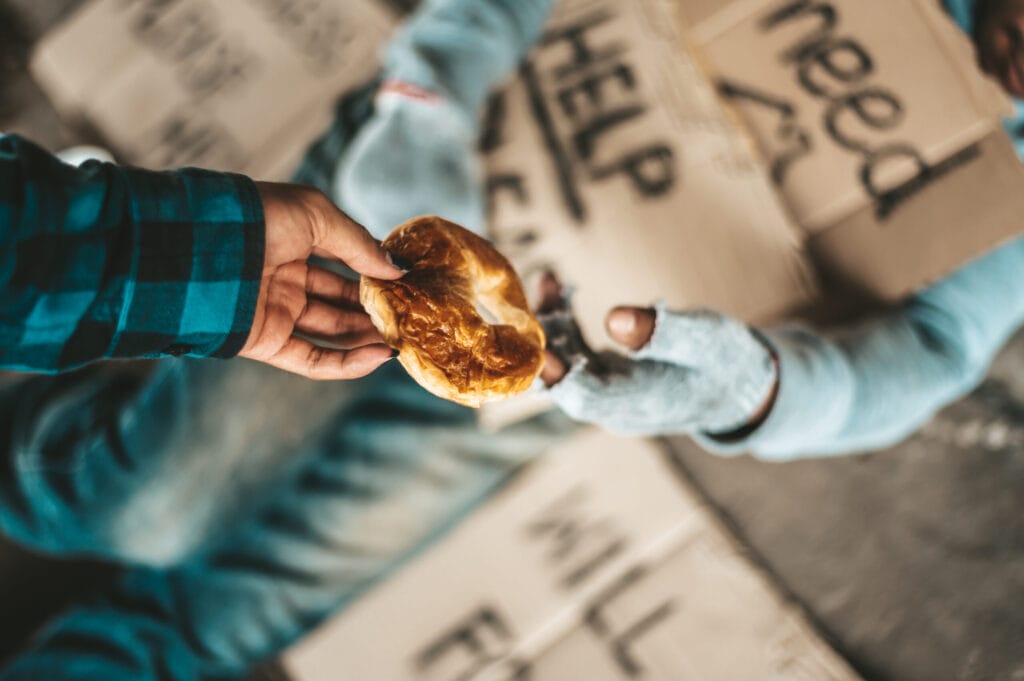
NEW YORK, July 17 (Bernama- Xinhua) — Today, one in 10 people worldwide still lives in extreme poverty, 2.3 billion people go to bed hungry every night, and more than two billion people still lack access to safe drinking water, United Nations (UN) Deputy Secretary-General Amina Mohammed said on Thursday, reported Xinhua.
Speaking at the high-level segment of the Economic and Social Council on the “Way Forward to 2030,” Mohammed said the 2026 UN Secretary-General’s report on progress towards the Sustainable Development Goals indicates that more than a third of the SDG targets are on track or making moderate progress.
However, progress remains deeply uneven across the goals and among countries.
She said that among the more than one-third of SDG targets that are on track or making moderate progress, access to electricity has reached 92 per cent of the world’s population, while internet connectivity has increased from 40 per cent in 2015 to 74 per cent today.
“The SDGs matter, and they are making a difference,” Mohammed said. “But our world today is very different from 2015.”
Multiple, intersecting crises – from geopolitical tensions and economic uncertainty to the climate crisis, biodiversity loss, food insecurity, debt distress and widening inequalities – continue to slow progress towards the SDGs and test the world’s ability to deliver on them, she said.
Meanwhile, the planet is warming at an alarming pace, and violent conflict has reached its highest level in decades.
“These are not isolated challenges,” the deputy secretary-general warned.
“The question before us is not whether the SDGs remain relevant. The question is whether we are prepared to make the choices, mobilise the financing and strengthen the cooperation required to deliver them,” she said.
Mohammed also called for stronger multilateral cooperation, increased investment and integrated solutions to advance multiple SDGs simultaneously while strengthening resilience to future shocks.
Describing the upcoming 2027 SDG Summit as a milestone, Mohammed said the summit must be more than “a stocktaking exercise.”
It must be a moment to deliver: to sharpen priorities, scale up what works and renew political commitment in the final stretch to achieve the SDGs by 2030.
— BERNAMA-XINHUA