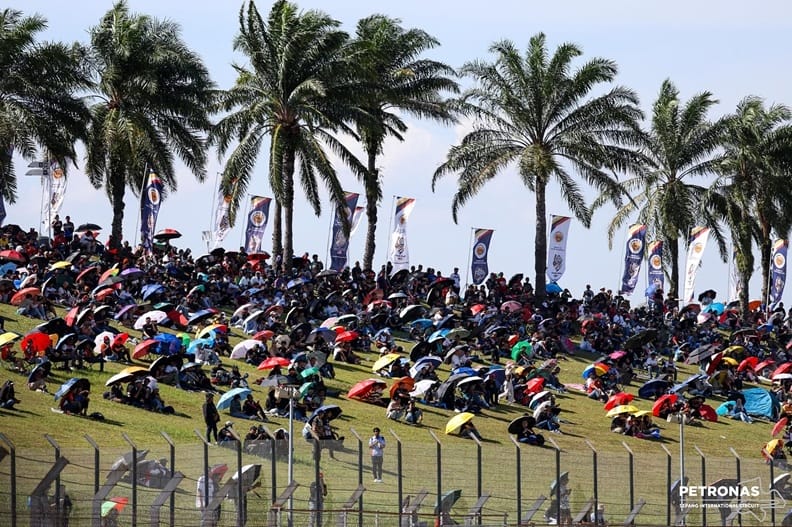
Sepang F1 Circuit’s leafy tropical atmosphere is second to none in the world (Image Credit: Sepang F1 Circuit FB)
By Leslie Lim
The anxious wait is finally over. Formula 1 is returning to Sepang on Oct 2-4, giving Malaysians and motorsport fans a reason to celebrate.
Malaysia will host the Bahrain round, which will officially be known as the “Gulf Air Bahrain Grand Prix in Malaysia.”
Regardless of the name, Formula 1 is back at Sepang after nine years and, crucially, on terms far less taxing for Putrajaya. With Bahrain funding the race, Malaysia gains international exposure, prestige, tourism benefits and potential economic upside without bearing the sport’s substantial hosting fees.
However, translating this windfall into sustained success requires confronting the difficult lessons of the past.
Before bowing out in 2017, Sepang suffered from dwindling crowds, uninspiring marketing and an inability to match Singapore’s electric night-race spectacle.
Malaysia cannot afford a repeat performance, even for a one-off race.
Formula 1 has changed dramatically since Sepang last hosted a Grand Prix. The weekend race is now a multi-day entertainment festival, beginning on Thursday with concerts, fan engagement zones, food experiences and lifestyle attractions woven into the overall experience.
The racing remains the foundation, but the wider spectacle is what draws families, casual fans and tourists alongside hardcore enthusiasts.
Grands Prix this season have consistently broken attendance records worldwide because they offer far more than racing alone. They have become complete destination experiences.
For starters, hosting Formula 1 at Sepang will come without the hefty price tag associated with Singapore, one of the world’s most expensive cities.
Beyond offering more affordable tickets and a larger capacity for core motorsport fans, Malaysia also provides accessible premium accommodation, dining and daily travel, creating a compelling value proposition for visitors across Asia and beyond.
The timing could hardly be better. Malaysia has emerged as Southeast Asia’s most visited tourist destination since last year.
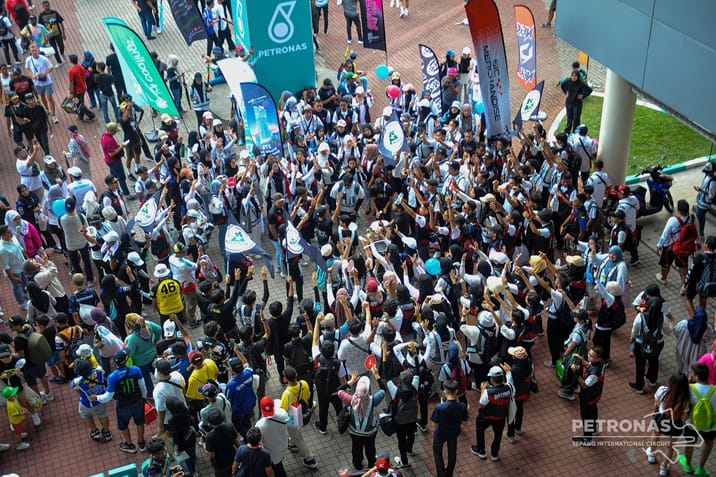
Formula I races have their diehard fans (image Credit: Sepang F1 Circuit FB)
By capitalising on this momentum, the Oct 2-4 racing extravaganza offers an ideal platform to showcase Kuala Lumpur’s evolving skyline – from the restored heritage of the Sultan Abdul Samad Building to Merdeka 118 and the adjoining 118 Mall, scheduled to open next month.
But there is little time, with barely two months to prepare. Securing major local sponsorships will be critical in helping to underwrite operational costs while enhancing the overall fan experience.
More importantly, success will hinge on navigating Malaysia’s delicate social climate. Recent domestic pushback against events such as the Bukit Bintang water music festival and controversies surrounding high-profile concerts should serve as a clear warning. Overly permissive festival programming risks triggering swift political and religious backlash among some sections of society.
Malaysia must instead find a pragmatic middle ground: curating world-class family, technology and cultural fan zones that excite international visitors without drifting into unrestrained partying.
Striking this balance is not about diluting the event. It is about smart curation that respects local cultural sensitivities while maintaining a vibrant, premium atmosphere. Executing this on such a compressed timeline requires proven leadership that transcends partisan politics.
At the risk of sounding pretty outlandish — love him or loathe him — former Sports Minister Khairy Jamaluddin is among the few figures who could perhaps head or co-chair a special task force for this event with credibility. During his time away from frontline politics, Khairy has reinvented himself across mainstream entertainment, radio and digital media. He understands youth culture, marketing and the mechanics of modern entertainment from the inside out.
Critics will point out that he was the Sports Minister when Malaysia exited Formula 1 in 2017. Yet that paradox may be precisely why he may be well-suited for such a role today.
Having overseen Formula 1’s departure amid concerns over commercial sustainability, he understands the financial pitfalls better than most.
Combined with his previous Cabinet experience and current influence, he arguably has the clout to cut through bureaucratic red tape, rally corporate sponsors and help curate the kind of spectacle Formula 1 now demands without becoming bogged down in political friction.
If not Khairy, then perhaps there is someone else equally adept in the country willing to step up out of the shadows…
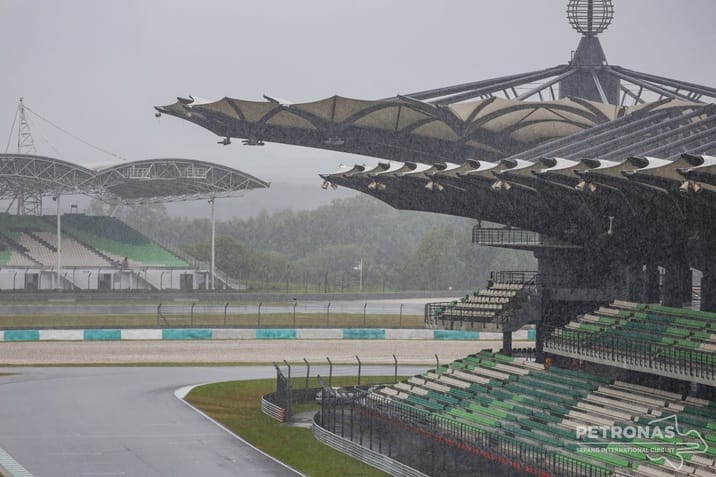
A rain-drenched Sepang F1 Circuit may even make the race more exciting (Image Credit: Sepang F1 Circuit FB)
Ultimately, Sepang’s return should not be judged solely by whether the race itself succeeds. The bigger test is whether Malaysia can demonstrate that it understands the new economics of Formula 1.
Get the leadership, sponsorship, fan experience and cultural balance right, and Sepang can prove that its place on the global Formula 1 map is not merely a nostalgic return but a commercially viable proposition.
If the Oct 4 comeback exceeds expectations, Putrajaya may have a stronger commercial case for exploring a permanent return – and eventually reconsidering the long-term investment needed to secure Sepang’s future on the Formula 1 calendar. And for visibility, Team Mercedes-Petronas’s teenage sensation Andrea Kimi Antonelli is also leading the pack in the current 2026 overall standings!
Leslie Lim is the Weekly Echo’s regular commentator
WE