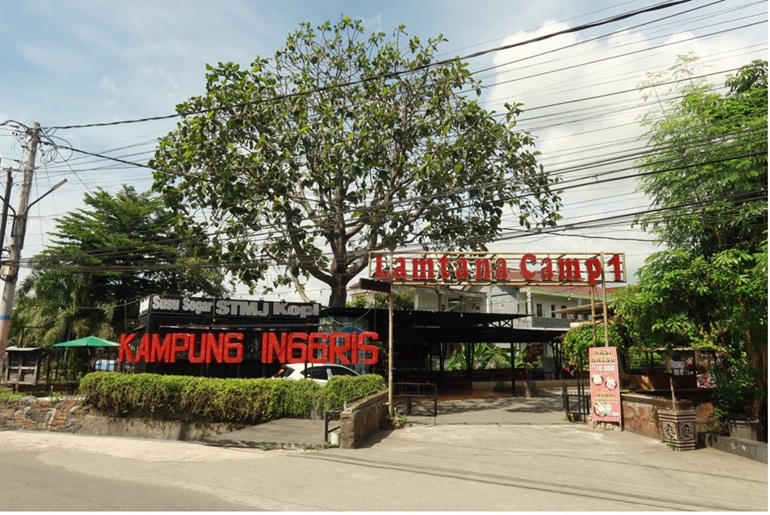
A Village That Found Its Voice
By Danial Abdul Rahman
In the quiet town of Pare, Kediri Regency, East Java, lies a place that has quietly transformed into Indonesia’s beating heart of English learning.
Known as Kampung Inggris, this once‑ordinary village is now home to hundreds of English courses, drawing students, educators, and curious visitors from across the country.
What makes it extraordinary is not a single institution, but a community. Classrooms, dormitories, and language camps are woven into everyday village life, creating an atmosphere where learning feels natural, purposeful, and alive.
Journey into Pare
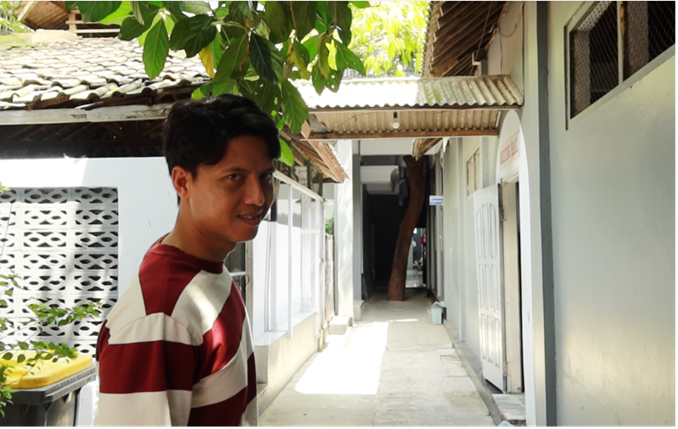
Budi Harjo…teacher, tutor and tour guide
My own journey began in 2021, after years of online conversations with local guide and English tutor Budi Harjo. From Kuala Lumpur, I flew into Surabaya, then boarded a train through endless stretches of paddy fields. Three hours later, Kediri revealed itself — modest, unassuming, yet quietly nurturing one of Indonesia’s most dynamic educational ecosystems.
Budi, a Kediri native, has spent over five years teaching basic English, focusing on building confidence and speaking skills. Though the financial rewards are modest, he chose to stay in his hometown, embracing a slower pace of life.
For him, the calm of Pare’s wide paddy fields outweighs the chaos of Jakarta. His choice reflects the spirit of Kampung Inggris itself — education driven by purpose, not profit.
More Than Lessons
Through years of teaching, Budi has seen how students leave Kampung Inggris not only with stronger English skills but with newfound confidence and opportunities. Many have gone on to careers in hospitality, education, and customer‑facing industries, their lives reshaped by the power of communication.
Beyond the classroom, Kampung Inggris has become an educational tourism destination. During school holidays, the village buzzes with visitors eager to immerse themselves in short‑term language programs. The rural charm, far from being a drawback, has become part of its magic.
Roots That Run Deep
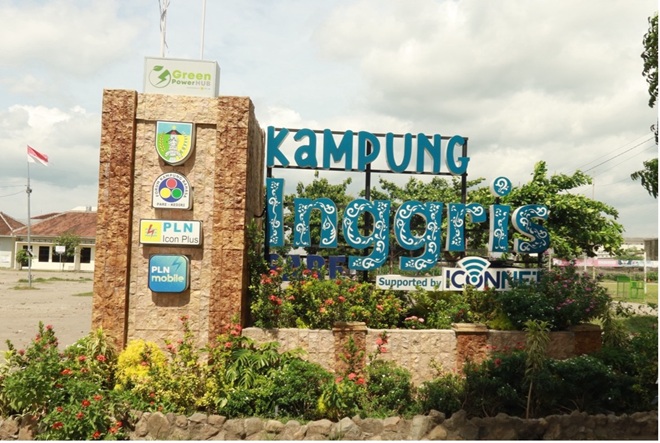
The story of Kampung Inggris began in 1977, when Mohammad Kalend Osen, affectionately known as Mr. Kalend, founded the Basic English Course (BEC). His pioneering vision laid the foundation for what the village is today.
Growth here was never about rivalry, but about shared roots. Many course founders trace their lineage back to Mr Kalend, fostering collaboration instead of competition. And while English fills the classrooms, daily life continues in Javanese, preserving cultural identity alongside academic progress.
A Living Example of Community‑Driven Education
Today, Kampung Inggris Pare stands as proof that transformative learning spaces don’t need skyscrapers or city lights. Sometimes, they grow quietly in rural corners, nurtured by perseverance, culture, and shared values.
More than just a place to study English, Kampung Inggris is a story of how education — when guided by purpose and sustained by community — can redefine the identity of an entire town.
(
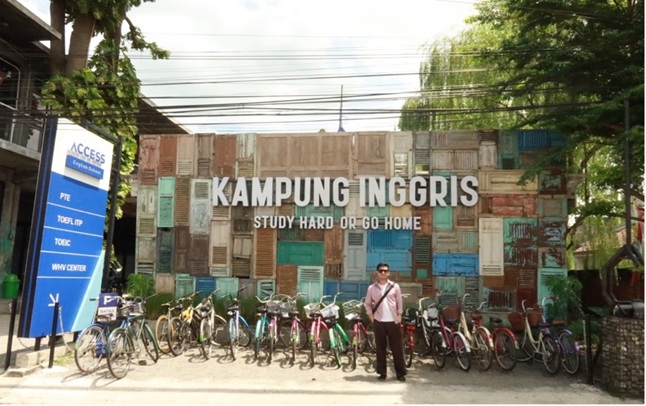
The writer, Danial Abdul Rahman, at Kampung Inggris — Instagram: @Danialabroad)