By Dr Rahim Said
The first time I saw Christmas in its full technicolour glory was in New York in the 1960s. Manhattan glittered like a city dipped in stardust. Even the quieter stretches on Long Island from Maasapequa to Montauk seemed to compete with one another in festive excess.
Every building, every home, every storefront was strung with lights I had never seen in real life. Christmas was not merely observed; it was performed, confidently and unapologetically.
Returning home to Malaysia then — and even two decades later — the contrast was stark. In a Muslim-majority country, Christmas was celebrated modestly, mostly within churches and among small Christian communities. It was respectful, restrained, and largely invisible to the wider public. No one complained; that was simply how things were.
Fast forward to the 21st century, and something quietly remarkable has happened.
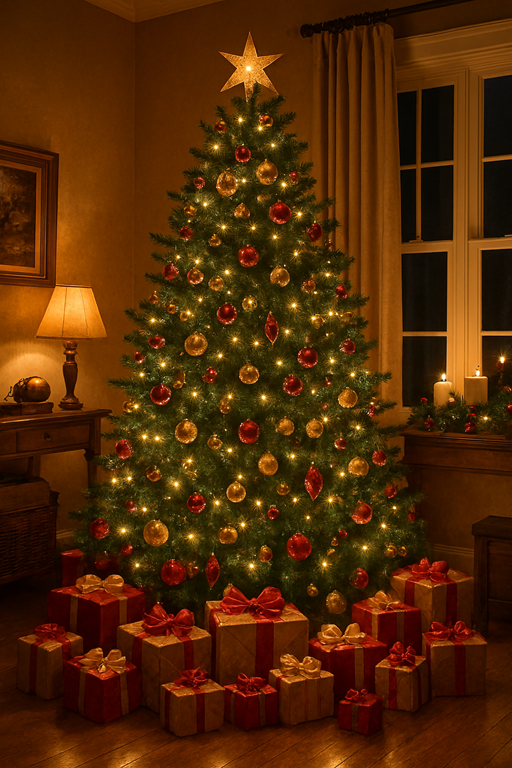
Today, Christmas in Malaysia no longer belongs exclusively to one community, nor does it demand theological allegiance. It has evolved into a shared cultural season — observed differently, interpreted selectively, but enjoyed collectively. Even some of my Muslim friends now put up decorations, minus the religious symbolism. Lights, trees, wreaths, perhaps a Santa or two — but no nativity scenes, no sermons, no confusion about faith. Celebration, not conversion.
A neighbour and close family friend captures this spirit perfectly. Married to an American of Japanese origin, she makes no apology for her love of seasonal décor. Her Christmas decorations, she cheerfully declares, will stay up through Chinese New Year and come down only when Hari Raya approaches.
It is not defiance; it is continuity. One season flows naturally into another, reflecting the rhythm of Malaysian life more accurately than any official calendar ever could.
This is the Malaysia we often forget to acknowledge — practical, plural, and quietly confident.
Critics sometimes ask why non-Christians put up Christmas trees at all. The answer lies partly in history. Long before Christianity, evergreen trees symbolised life, endurance, and hope during the darkest months of winter. Pagans admired their refusal to wilt. Romans decorated with evergreens during Saturnalia — a festival of feasting, gift-giving, and communal joy.
The modern Christmas tree emerged in Germany centuries later, was popularised by Queen Victoria’s family portrait in 1846, and eventually became less a religious object than a cultural one.
In Malaysia, that transformation is already complete.
Visit Mid Valley Megamall, Pavilion Bukit Bintang, or KLCC in December, and you will see towering Christmas trees that rival anything on Fifth Avenue. Families travel across states just to take photos.
For many, these trees are not statements of belief but symbols of togetherness, generosity, and year-end reflection.
For Christians, of course, the meaning remains deeply spiritual. As some Malaysians interviewed recently explained, the star atop the tree represents hope, the lights God’s goodness, and the gifts divine blessings. Decorating the tree becomes a family ritual, a moment of gratitude and remembrance.
But here is the crucial point: allowing that meaning to exist does not threaten anyone else’s faith.
Islam in Malaysia has never been so fragile that it needs protection from fairy lights or discounted turkeys. Faith, when secure, is not unsettled by other people’s joy.
In fact, our own traditions understand this well. Hari Raya, Chinese New Year, Deepavali, Gawai, Kaamatan — all spill beyond religious boundaries into shared national experiences. We visit, we eat, we decorate, we celebrate — often without fully participating in the theology behind it.
Food, in particular, is our great unifier. December, after all, is the only time of year when turkey becomes affordable. My family has never missed having at least one whole turkey every Christmas for the last 30 years. We missed it keenly when our children moved away.
Rendang turkey, sadly, does not quite work for Aidilfitri — some things are best left unexperimented.
And perhaps that is what Christmas in Malaysia has become: a season of harmless indulgence, warm lights, family meals, and borrowed traditions made our own.
In a world increasingly anxious about identity and boundaries, Malaysia’s evolving Christmas celebrations offer a quiet lesson.
It is possible to enjoy without appropriating, to celebrate without believing, and to coexist without diluting faith.
Decorations need not be declarations. A tree can be just a tree. A light can simply be light.
If anything, this gentle, inclusive approach is worth protecting. Not by law or sermons, but by common sense and goodwill.
Because when Malaysians of all backgrounds can agree on one thing — that a little light at the end of the year makes everything feel better — that, surely, is a tradition worth keeping.
The views expressed here are entirely those of the author, Dr Rahim Said
WE